



What Are the Characteristics and Advantages of LSR Liquid Silicone Rubber?
Liquid silicone rubber (LSR) is a high-performance elastomer that has become
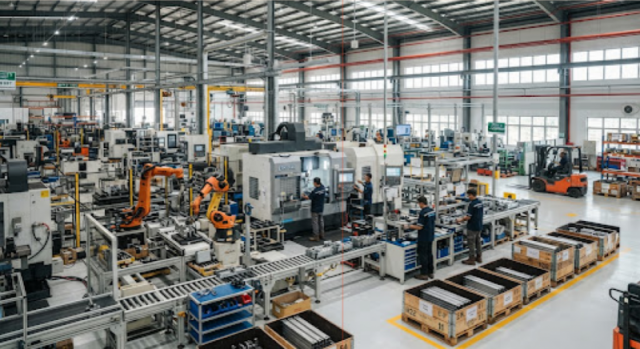
Liquid silicone rubber (LSR) is a high-performance elastomer that has become increasingly important in industries ranging from medical devices and automotive to electronics and consumer products. Unlike traditional solid silicone rubber, LSR is a two-part liquid system processed through injection molding. Its unique combination of physical, chemical, and processing properties makes it suitable for demanding applications where precision, purity, and durability are essential.
1. Excellent Thermal Stability
One of the most notable characteristics of LSR is its wide operating temperature range. LSR remains flexible and stable across a broad temperature spectrum, typically from -50°C to 200°C. Some specialty grades can withstand even higher temperatures for short periods. Unlike many organic rubbers, LSR does not become brittle at low temperatures or degrade rapidly at high temperatures. This makes it ideal for automotive under-the-hood components, cooking utensils, and industrial seals exposed to extreme conditions.
2. Outstanding Flexibility and Elasticity
LSR is highly elastic and can be stretched repeatedly without permanent deformation. Its low compression set means it recovers its original shape after being compressed for extended periods. This property is critical for sealing applications such as O-rings, gaskets, and valves, where long-term sealing performance is required. LSR also maintains its flexibility over a wide temperature range, unlike many thermoplastic elastomers that harden when cooled.
3. Biocompatibility and Medical Safety
LSR is chemically inert and does not contain plasticizers, peroxides, or other additives that can leach out over time. It is odorless, tasteless, and non-toxic. These properties make LSR suitable for medical implants, catheters, drug delivery systems, and infant care products. Many LSR grades are certified to meet USP Class VI, ISO 10993, and other biocompatibility standards. The platinum-catalyzed addition cure does not generate harmful byproducts, ensuring high purity in the final product.
4. Chemical Resistance
LSR offers good resistance to a wide range of chemicals, including water, alcohols, acids, bases, and many solvents. It is also resistant to ozone, UV radiation, and weathering. This chemical stability makes LSR suitable for outdoor applications, automotive components, and industrial equipment exposed to aggressive environments. However, it is not recommended for use with certain non-polar solvents, concentrated acids, or strong oxidizing agents.
5. Electrical Insulation Properties
LSR has excellent dielectric properties, including high volume resistivity and high dielectric strength. It maintains these properties across a wide temperature range and under humid conditions. This makes LSR a preferred material for electrical connectors, insulators, seals, and components in electronic devices. Its flame retardancy can also be enhanced with specific formulations for applications requiring fire resistance.
6. Low Viscosity and Precision Molding
Before curing, LSR is a low-viscosity liquid that flows easily into fine mold details. This allows manufacturers to produce parts with complex geometries, thin walls, and tight tolerances. LSR injection molding can achieve dimensional tolerances of ±0.05 mm or better for critical features. The material can fill micro-features and reproduce intricate surface textures accurately, which is difficult with high-consistency rubber.
7. Fast Curing and High Production Efficiency
LSR cures rapidly through a platinum-catalyzed addition reaction when exposed to heat. Cure times in injection molding are typically measured in seconds to tens of seconds, depending on part thickness and mold temperature. This fast curing enables short cycle times and high-volume production. The process is highly automated, with minimal manual intervention, resulting in consistent quality and low scrap rates.
8. Excellent Optical Clarity
Certain LSR grades are formulated to be optically clear. They transmit light efficiently and resist yellowing over time. This makes them suitable for lenses, light guides, optical sensors, and transparent seals. Optical LSR can be molded into precise shapes with excellent surface finish, replacing glass in some applications where flexibility and impact resistance are advantageous.
9. Low Compression Set and Long Service Life
LSR exhibits low compression set, meaning it retains its sealing force even after prolonged compression. This property ensures reliable performance over many years of service. LSR also resists aging, hardening, and cracking, providing a long service life in dynamic and static applications alike. Its durability reduces maintenance and replacement costs in critical systems.
10. Design Freedom and Integration
LSR can be overmolded onto other substrates, including plastics, metals, and glass. This enables designers to combine the sealing and flexibility of silicone with the structural properties of other materials in a single component. LSR can also be bonded to itself, allowing for multi-shot molding and complex assemblies. This design freedom supports miniaturization and functional integration in medical devices, electronics, and automotive parts.
11. Tasteless, Odorless, and Safe
LSR is odorless and tasteless, making it suitable for food-contact and beverage applications. It does not impart flavor or odor to food or liquids. LSR is also free from phthalates, BPA, and other potentially harmful substances, meeting strict food safety regulations in many countries.
12. Sustainable and Recyclable Options
Silicone rubber is generally considered more environmentally stable than many organic rubbers. While LSR is not biodegradable, it does not degrade into harmful microplastics in the same way as some synthetic polymers. Advances in silicone recycling technologies are also expanding options for recovering and reusing silicone materials.
LSR liquid silicone rubber combines thermal stability, elasticity, biocompatibility, chemical resistance, electrical insulation, optical clarity, and precision moldability. These characteristics make it a versatile material for demanding applications in healthcare, automotive, electronics, food service, and consumer products. Its fast curing and automated processing also support high-volume, cost-effective manufacturing. For product developers and OEMs, understanding the characteristics and advantages of LSR is essential for selecting the right material and achieving successful product performance.